

Schedule Management System: A Java Enterprise Solution
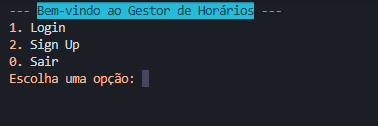
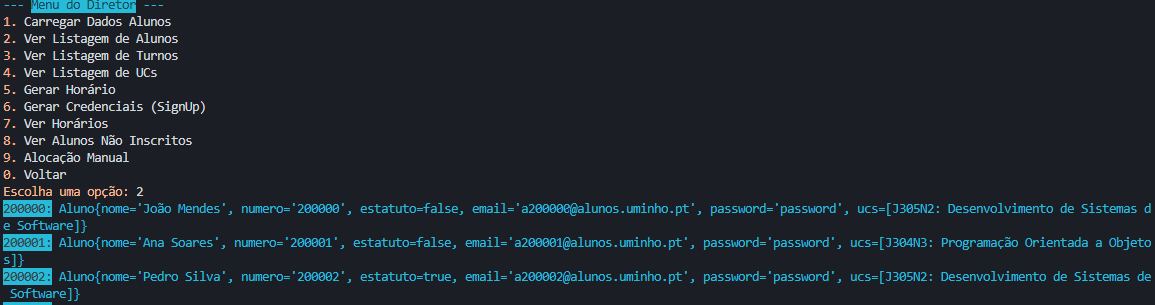
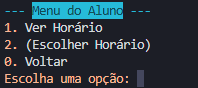
During my Software Systems Development (DSS) course at University of Minho, I developed a comprehensive schedule management system that demonstrates advanced Java programming concepts, database integration, and software architecture principles. This project showcases the practical application of object-oriented design patterns and enterprise-level development practices.
Technical Foundation
The system was architected using modern Java development practices, emphasizing clean code principles and maintainable design patterns. The application leverages the power of object-oriented programming to create a scalable solution for academic schedule management.
    // Core Schedule Management Class Structure
    public class ScheduleManager {
        private DatabaseConnection dbConnection;
        private CourseService courseService;
        private UserAuthenticationService authService;

        public ScheduleManager() {
            this.dbConnection = new DatabaseConnection();
            this.courseService = new CourseService(dbConnection);
            this.authService = new UserAuthenticationService();
        }

        public boolean authenticateUser(String username, String password) {
            return authService.validateCredentials(username, password);
        }
    }
Key Features & Functionality
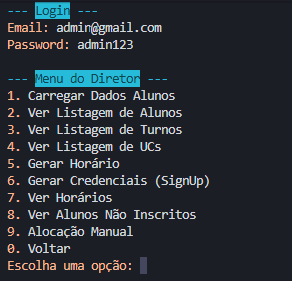
The schedule management system incorporates several sophisticated features that demonstrate advanced programming concepts:
Architecture & Design Patterns
The project demonstrates several important software engineering principles and design patterns that are essential in enterprise development:
Model-View-Controller (MVC) Architecture: Clear separation between data models, user interface, and business logic ensures maintainability and testability.
Data Access Object (DAO) Pattern: Abstracted database operations through dedicated DAO classes, providing clean separation between business logic and data persistence.
Factory Pattern: Used for creating database connections and service instances, promoting loose coupling and easy testing.
// Example of DAO Pattern Implementation public interface CourseDAO { ListgetAllCourses(); Course getCourseById(int courseId); boolean insertCourse(Course course); boolean updateCourse(Course course); boolean deleteCourse(int courseId); } public class CourseDAOImpl implements CourseDAO { private Connection connection; public CourseDAOImpl(Connection connection) { this.connection = connection; } @Override public List getAllCourses() { // Implementation with proper exception handling // and resource management } }
Development Challenges & Solutions
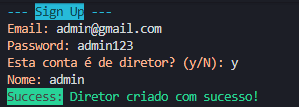
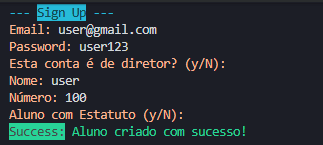
Authentication System Simplification: Due to time constraints, implemented a simplified authentication system with hardcoded passwords for imported data (default: "password"). In a production environment, this would include proper password hashing and user management.
Database Initialization: Created comprehensive SQL scripts for database setup and initial data population, ensuring easy deployment and testing across different environments.
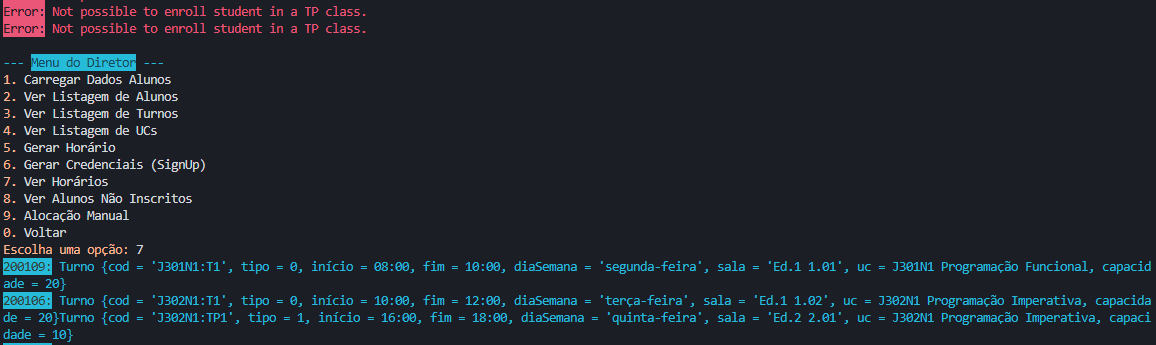
Schedule Conflict Resolution: Implemented algorithms to detect and prevent scheduling conflicts, ensuring data integrity and optimal resource utilization.
Technology Stack
The project utilizes a robust technology stack that demonstrates proficiency with industry-standard tools:
- Backend: Java (Object-Oriented Programming)
- Database: MySQL with JDBC connectivity
- GUI Framework: Java Swing for desktop interface
- Architecture: MVC pattern with DAO implementation
- Development Tools: Standard Java development environment
Learning Outcomes
This project served as an excellent opportunity to apply theoretical knowledge from the DSS course in a practical context. Key learning outcomes include:
- Enterprise Architecture: Understanding how to structure large-scale applications using proven design patterns
- Database Integration: Practical experience with JDBC, connection management, and SQL optimization
- Software Engineering Principles: Application of SOLID principles and clean code practices
- Project Management: Experience with milestone-based development and documentation
Future Enhancements
While the current implementation provides a solid foundation, several enhancements could further improve the system:
- Enhanced Security: Implementation of proper password hashing, session management, and role-based permissions
- Web Interface: Migration to a web-based interface using Spring Boot for better accessibility
- Advanced Scheduling: Integration of AI-powered optimization algorithms for complex scheduling scenarios
- Reporting System: Addition of comprehensive reporting and analytics capabilities
- Mobile Support: Development of mobile applications for on-the-go schedule management
Conclusion
The Schedule Management System represents a comprehensive exploration of Java enterprise development, showcasing the practical application of software engineering principles in an academic context. The project successfully demonstrates the ability to design, implement, and deploy a complex system while adhering to industry best practices and maintaining code quality standards.
This project was developed as part of the Software Systems Development course at University of Minho, showcasing practical application of enterprise Java development concepts and database integration techniques.